
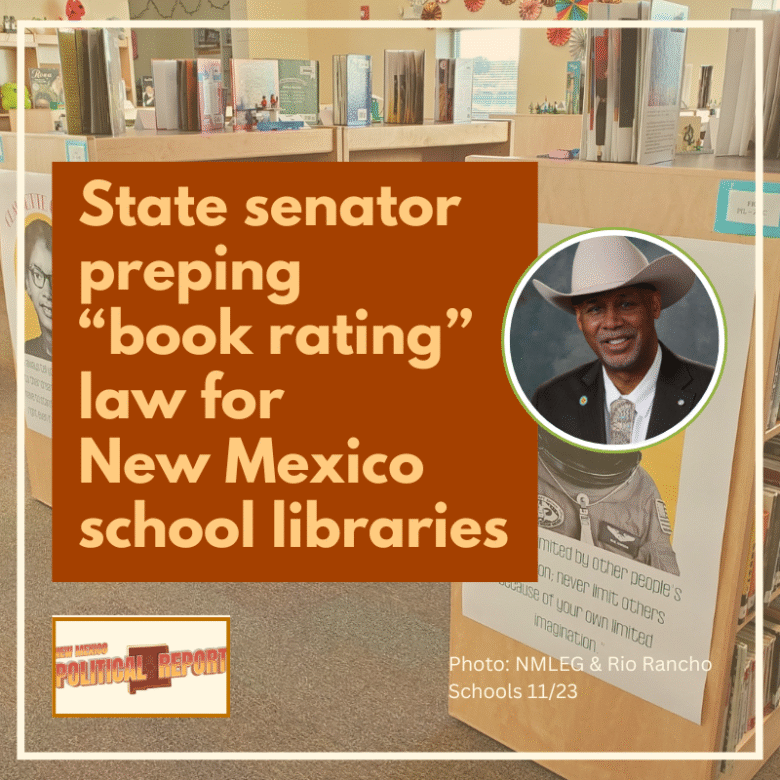
A conservative New Mexico lawmaker is drafting legislation allowing schools to rate library books for sexual and violent content and possibly materials about LGBTQ+ issues and race and remove them from general circulation, a move another legislator labels censorship and promises to fight. If the bill passes, New Mexico would be the first state in the country to enact a law that incentivizes school libraries to develop such systems.
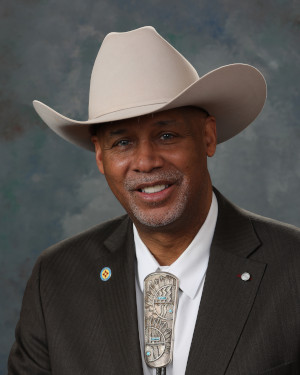
Sen. Anthony “Ant” Thornton, R-Sandia Park, told the New Mexico Political Report that he is still working on a bill for a $3 million, three-year pilot program that will be introduced in the 30-day legislative session scheduled to begin Jan. 20. He added that under the proposal, the New Mexico Public Education Department would oversee the program’s implementation, though specifics about the ratings systems will be decided by individual schools.
“I think rather than mandating something coming from on high, from some central statewide government, it’s better to have the local communities decide what’s best for their area,” he said.
Thornton said the systems would resemble ratings assigned to movies and video games to help parents and school staff determine which materials contain sexually explicit content, violence, and other adult themes – and, anticipating pushback, Thornton was quick to add that his proposal is not censorship.
“It’s not book banning. It’s basically giving the kids, and also the parents, an opportunity to know what’s being taught,” Thornton said. He added that beyond sex and violence, a school would have the flexibility to rate materials for other topics such as profane language, drugs and alcohol, LGBTQ+ content and race.
He added that books deemed to have adult content could be placed in a section of the library restricted to older patrons.
Thornton said constituents approached him with the idea for a ratings system and that people outside his district have also expressed interest.
But the concept does have critics.
State Rep. Kathleen Cates, D-Rio Rancho, said in an interview with the New Mexico Political Report that Thornton’s proposal is censorship.
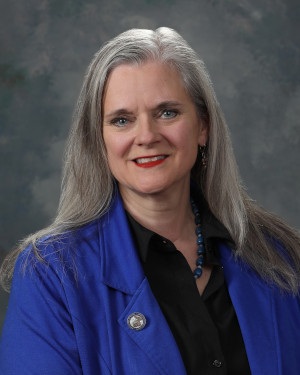
“What he’s trying to do is create shame,” Cates said. “That there’s going to be a group of people who will say ‘oh, because these books have this subject matter in it, somehow these are more dangerous, more racy or more awful, so we’re going to put a number on them. That’s censorship.”
Cates and State Senators Antionette Sedillo-Lopez (D-Albuquerque) and Harold Pope (D-Albuquerque) recently penned a piece in NM Political Report promising to introduce legislation requiring libraries to have clear policies for addressing book challenges, an effort they say will protect librarians from harassment and prevent political interference in library policy.
The American Library Association also opposes book rating systems, stating in its policy on labeling that such systems “can stop users from choosing materials that interest them.” They also say that such systems “conflict with the principles of intellectual freedom.”
Cates added that the proposal is also unnecessary given that schools and public libraries already have committees and boards that react to public sentiment, and procedures in place for deciding when books should be removed from their collections and separating material that is age-appropriate from that which is not.
“That’s why they have teen rooms at libraries and children’s sections at libraries. That’s already in place,” she said.
Thornton’s legislation is being crafted at a time when debates over restricting school library materials have become a major fault line in American politics.
According to PEN America, a nonprofit freedom of expression advocacy organization, there have been 22,810 book bans across the nation since 2021.
States have reacted to concerns over the availability of age-inappropriate content in public school libraries with a series of laws that ban or restrict access to certain books. PEN America also found the federal government removed 596 books this year from Department of Defense public schools.
While details of Thornton’s legislation are still being worked out, similar legislation to establish statewide content ratings systems for school library books has been proposed in other states.
In 2024, a Kansas legislator introduced a proposal that would have had a task force with members appointed by various government agencies to design a statewide ratings system, but the measure died in the House Education Committee. A similar bill that was introduced in Oklahoma in 2023 also failed to become law.
One proposal, signed into law in Texas in 2023, sought to force book publishers and vendors to label the books they sell to public school libraries for sexually explicit material, but a federal judge struck down the Texas law as unconstitutional because it forced private companies to give up their free speech rights and adopt the government’s ratings to keep doing business with schools.
If Thornton introduces the bill for the 30-day Jan. session it faces a high hurdle to becoming law because legislators are only allowed to consider bills related to the budget unless the governor specifically authorizes the topic.