
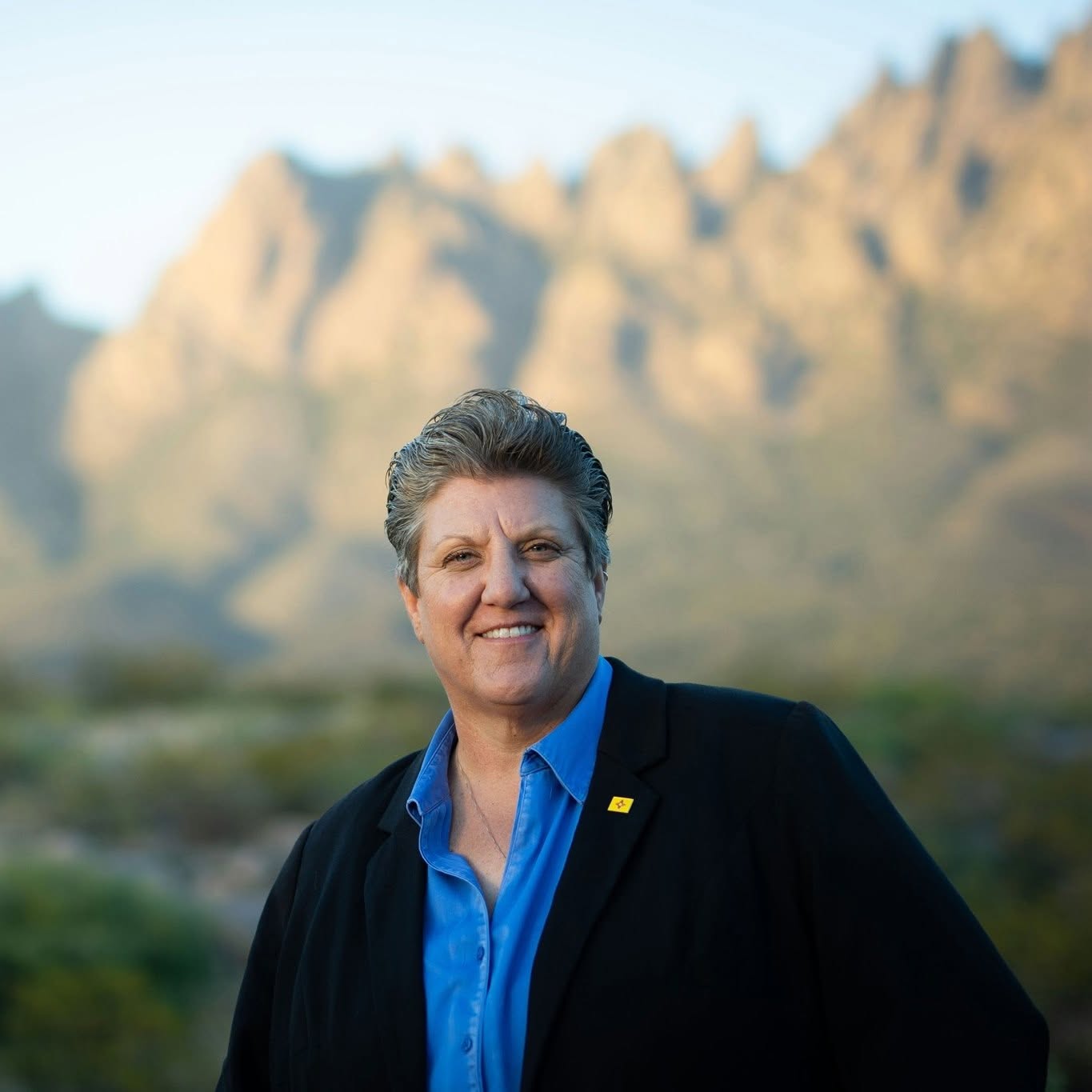
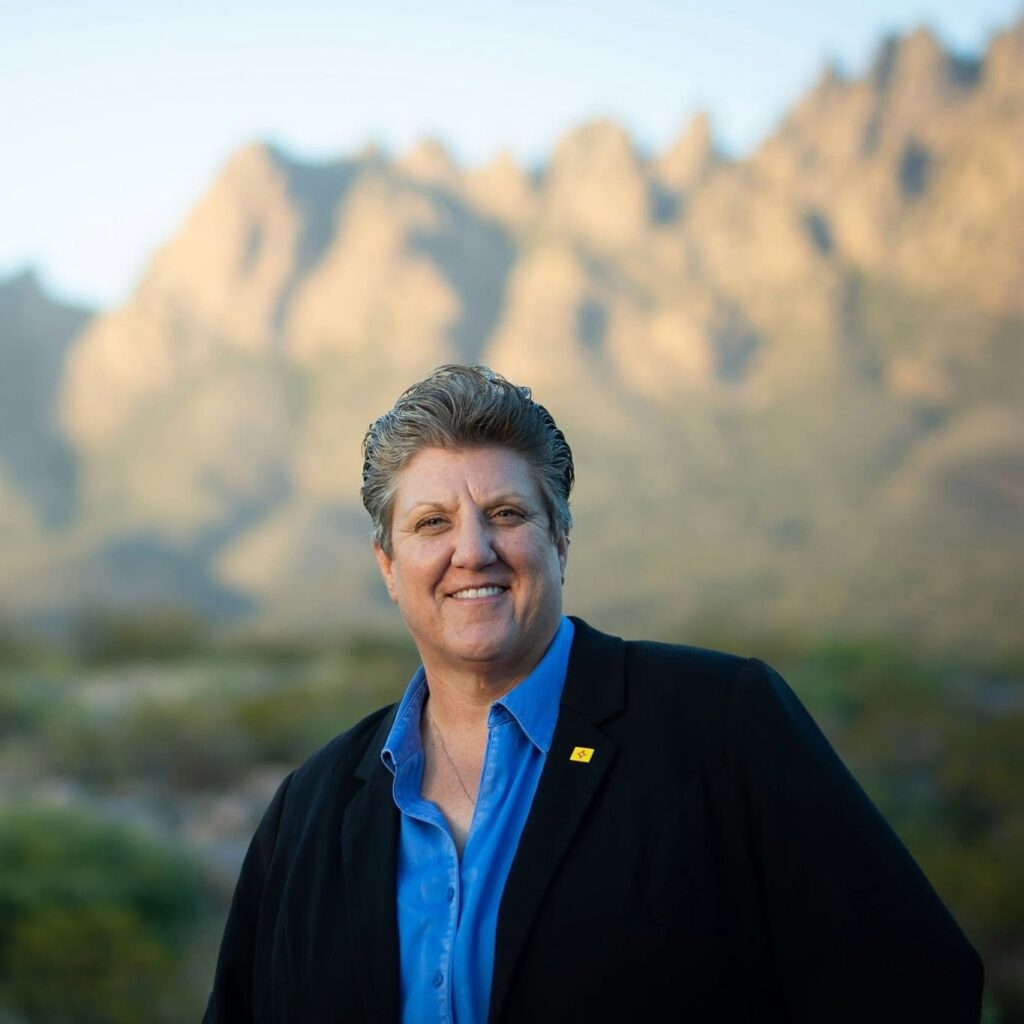
Commentary by New Mexico State Senator Carrie Hamblen — More than a century ago, Theodore Roosevelt pioneered the American conservation movement. Using the Antiquities Act of 1906, he declared vast tracts of land as national monuments, notably the El Chaco, Morro, and Gila Cliffs National Monuments in New Mexico (subsequent presidents would later add Bandelier, White Sands, Organ Mountains-Desert Peaks (OMDP), and Carlsbad Caverns). Roosevelt did not see conservation as indulgence, but as duty and an obligation to future Americans. As he warned of public land, “Leave it as it is. The ages have been at work on it, and man can only mar it.”
Man is coming.
Last year, tucked into President Trump’s sprawling “One Big Beautiful Bill Act” was a provision that would have opened the door to a large-scale sell-off of public lands. The proposal could have made over 250 million acres of public land eligible for sale within a decade, according to the Wilderness Society – bigger than Texas, and subject only to the whims of the Secretary of the Interior. Its threats to forests, rivers, and national monuments drew concern from hunters, anglers, conservationists, local communities, and politicians across the political spectrum.
New Mexico’s Democratic U.S. Sen. Martin Heinrich, who has built much of his public career around conservation and public access, worked behind the scenes with Republicans and Democrats alike to help scuttle the effort. He later spoke of muted, timid Republican opposition behind closed doors. Winning these reluctant doubters over couldn’t be done with dramatic floor speeches or cable news body slams. It was instead the quieter kind of legislating that often goes unnoticed, but which Sen. Heinrich excels at, that got the job done.
Through conversations, negotiations, and coalition-building, Sen. Heinrich prevented an unraveling of President Roosevelt’s legacy and saved a great deal of New Mexican land. But like Roosevelt, he is answering a national calling, and the fight continues.
Far from New Mexico, in northern Minnesota, lies the Boundary Waters Canoe Area Wilderness. With more than a million acres of interconnected lakes, forests, and streams along the Canadian border, it is one of the most pristine freshwater ecosystems in North America, supplying or feeding drinking water for over 40 million people. Its waters are so clear you can see the rocky bottom beneath your canoe, its shores lined with pines, with stalking loons the only break in the silence.
Man is back for vengeance. The Boundary Waters face renewed pressure from Congressional legislation supporting proposed mining projects, threatening the uniquely fragile watershed. In the tightly connected lakes and rivers, contamination cannot be contained. Once altered, forever tainted.
We in New Mexico count on all Americans, and the legislators they elect, to help us protect the Gila, Chaco Canyon, OMDP or Carlsbad Caverns, and we owe that same faith in return. When one of our country’s great wilderness areas is diminished, the loss belongs to all of us. And they won’t stop there. If Boundary Waters falls, the next one may be in our backyard.
Indeed, the principle of public land – that some parcels cannot be valued in dollars, no matter how much is offered – has long guided conservation in the American West. It is also a tradition that has required vigilance. Public lands have repeatedly been targets for privatization efforts or short-term development schemes by politicians looking for campaign checks.
Sen. Heinrich echoed that vigilance when he fended off support for the public lands selloff, even with conservative Republican Senators who knew he would never back the overall “One Big Beautiful Bill” last year. His ability to shelve pride and work across the aisle reflects a deeper understanding of conservation beyond politics. Roosevelt himself was a progressive Republican, who understood protecting natural resources was consistent with economic strength and national pride. Nowhere on the political spectrum is this truth obscured. Conservation is prudent stewardship, not anti-growth. Protect what cannot be replaced, and use wisely what can.
Sen. Heinrich’s fight to defend the Boundary Waters is a national test of this enduring standard. He has never given up on the public lands that sustain rural economies and outdoor traditions; because he knows that untouched wilderness areas are not temporary holding zones for industrial use. No man would sell off all the water he needs for a week, no matter the odds. That’s what priceless means.
The work of stewardship is never finished. Each generation decides whether to see public lands as assets to liquidate or inheritances to pass on. New Mexicans elected Sen. Heinrich because more than most, we understand what is at stake in that choice. His call to protect the Boundary Waters should rouse us all.
Future generations will most remember us not for what we extracted from these places, but whether we had the foresight — and the discipline — to heed Roosevelt’s enduring words: “Leave it as it is.”
Share this story and start a conversation